High-Protein Vegan Diet for Beginners: Step-by-Step Guide

Switching to a vegan diet for weight loss can feel overwhelming, especially when you are unsure about protein intake. Many people believe that removing animal products makes it difficult to meet protein needs, but that is not the case.
With the right food choices and planning, a vegan diet can help you lose weight, stay full longer, and maintain muscle mass. The key is focusing on balanced meals and including protein-rich plant foods throughout the day.
This beginner-friendly guide will help you understand how to start a vegan diet to lose weight, what foods to include, and how to stay consistent for long-term results.
Vegetarian vs Vegan Diet
Understanding the difference helps you make better choices.

A vegan diet removes all animal products, which often leads to better control over calorie intake when done correctly.
How to Start a Vegan Diet to Lose Weight
Starting does not require a drastic change. A simple and gradual approach works best.
Start With Smart Swaps: Replace dairy milk with cashew milk (cocoa, vanilla, or whole). Swap meat with lentils, tofu, or chickpeas.
Build Balanced Meals: Each meal should include a protein source, fibre-rich vegetables, and small amounts of healthy fats.
Watch Your Portions: Even healthy foods can slow weight loss if eaten in large amounts.
Stay ConsistentConsistency matters more than perfection.
High-Protein Vegan Foods You Should Include
Protein helps control hunger and supports fat loss.
The Top 9 Plant-Based Protein Foods
Lentils
Chickpeas
Tofu
Tempeh
Quinoa
Edamame
Black beans
Chia seeds
Hemp seeds
If your weight is 70 kg, aim for around 85 to 110 grams per day for weight loss.
Sample High-Protein Vegan Meal Plan
Breakfast: Oats with cashew milk (cocoa, vanilla, or whole), chia seeds, and fruits
Lunch: Quinoa bowl with chickpeas and mixed vegetables
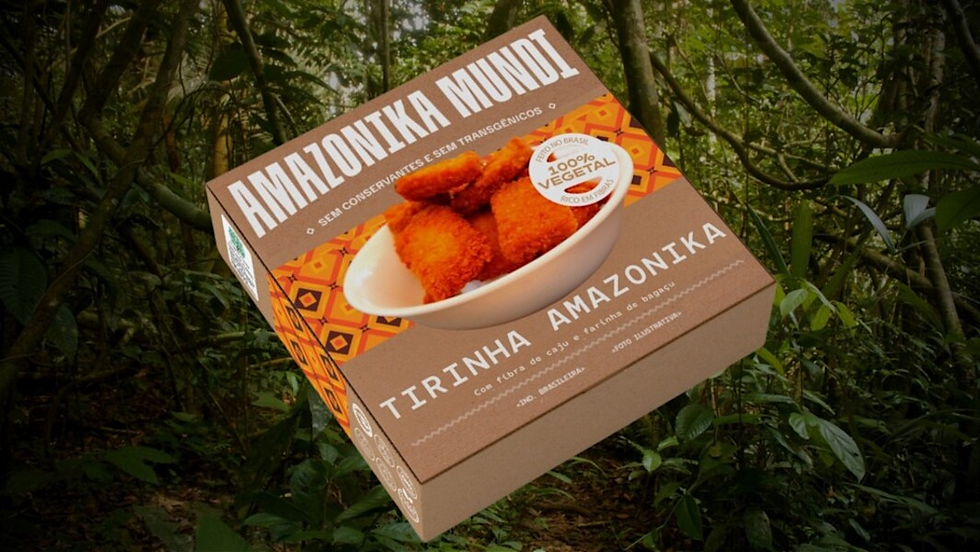
Snack: Cashew croquettes or roasted edamame
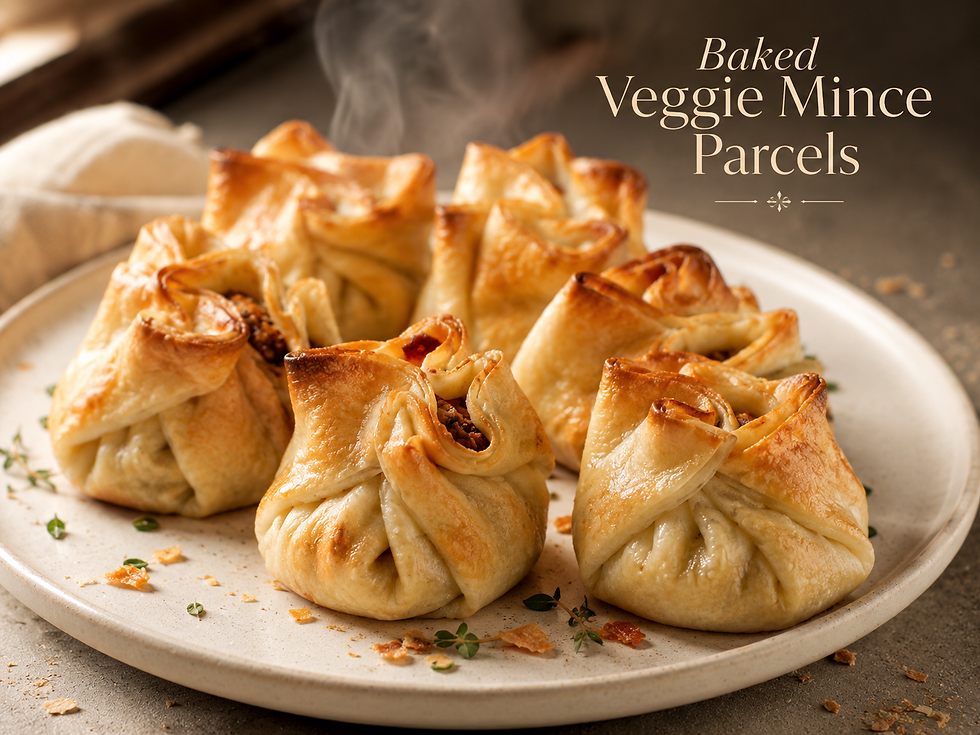
Dinner: Italian veggie meatballs or veggie kofta with sautéed vegetables
Common Myths About Plant-Based Protein
Myth 1 Vegan diets lack protein
Reality A well-planned vegan diet easily meets protein needs
Myth 2 Plant protein is not complete
Reality Combining different plant foods provides all essential amino acids
Myth 3 You cannot build muscle
Reality Muscle growth depends on total protein intake and training
Myth 4 All vegan food is healthy
Reality Processed vegan foods can still be unhealthy
Long-Term Effects of Vegan Diet
Positive Effects
Better heart health
Improved digestion
Sustainable weight management
Lower risk of chronic diseases
Things to Watch
Vitamin B12
Iron levels
Omega-3 intake
Including fortified foods or supplements can help avoid deficiencies.
Key Points to Remember
Include a protein source in every mealFocus on whole foodsKeep meals balancedStay consistentTrack your progress if needed
Common Beginner Mistakes
Eating too many carbs
Skipping protein-rich foods
Ignoring calories
Easy Ways to Boost Protein Intake
Add chia or hemp seeds to meals
Use cashew milk in smoothies and oats
Snack on cashew croquettes or roasted chickpeas
Include tofu, tempeh, or legumes regularly
Frequently Asked Questions
Q1. What vegan foods are high in protein and fibre?
A. Lentils, chickpeas, black beans, and chia seeds are excellent options.
Q2. High protein vegetarian foods for weight loss and muscle building?
A. Paneer, Greek yogurt, lentils, and chickpeas are good choices.
Q3. What is the highest protein, lowest calorie vegan food?
A. Tofu is one of the best options.
Q4. Which vegan protein is best for weight loss?
A. Whole foods like lentils, chickpeas, and tofu work best.
Q5. How can vegans get 200g of protein a day?
A. Divide protein across meals, include tofu, tempeh, legumes, and add protein shakes if needed.
Conclusion
Starting a high-protein vegan diet for weight loss becomes simple when you focus on the right foods and stay consistent.
By including protein-rich meals, controlling portions, and making smart choices, you can achieve sustainable results and build a healthy lifestyle.