Why Traditional Plant Protein Powders Cause Bloating and How to Fix It

Plant protein powders don't automatically cause bloating. In most cases, digestive discomfort is linked to highly processed protein isolates, added gums or artificial sweeteners, low dietary fiber, a sudden increase in protein intake, or individual gut sensitivity rather than the protein itself.
While traditional protein powders provide concentrated protein, they often lack the natural fiber and food structure found in whole foods that support healthy digestion.
Research suggests that choosing minimally processed plant proteins such as tofu, legumes, or foods made with natural plant fiber may be gentler on the gut while still helping you meet your daily protein needs. This article explains why some plant protein powders cause bloating, how the food matrix and dietary fiber affect digestion, and simple, evidence-based ways to enjoy plant protein more comfortably.
Why Do Some Plant Protein Powders Cause Bloating?
One of the biggest misconceptions is that plant protein is naturally difficult to digest.
That's not what the evidence shows.
Millions of people eat beans, lentils, tofu, chickpeas, and soy foods every day without digestive problems. The difference often lies in how the protein is processed before it reaches your plate or shaker bottle.
Most traditional vegan protein powders are made from highly refined pea protein isolate, soy protein isolate, rice protein isolate, or blended concentrates. During manufacturing, the protein is separated from much of the original plant material to create a powder containing 70–90% protein.
This process increases protein concentration but also changes the food's natural structure.
For some people, that change may contribute to:
Bloating
Gas
Stomach discomfort
Feeling unusually full after a protein shake
The protein itself isn't necessarily the problem. Often, it's the overall formulation and level of processing.
What Actually Causes the Discomfort?
Digestive symptoms usually result from several factors working together rather than a single ingredient.
Highly Refined Protein Isolates
Protein isolates are designed to maximize protein while removing much of the carbohydrate and fiber naturally present in the original plant.
Although they're considered safe and effective for meeting protein needs, they're also one of the most processed forms of plant protein.
Some people digest isolates without any issues. Others notice bloating, especially when consuming large servings or multiple shakes every day.
This difference comes down to individual digestive tolerance rather than the protein source alone.
The Food Matrix Matters More Than You Think
Nutrition scientists increasingly talk about the food matrix[1]- the natural combination of protein, fiber, healthy fats, vitamins, minerals, and plant compounds found in whole foods.
When you eat chickpeas, tofu, or lentils, you're not consuming protein in isolation. You're eating a complete food where nutrients interact with one another during digestion.
Protein isolates remove much of that natural structure.
While this isn't inherently harmful, it creates a product that behaves differently from the food it originally came from.
That's one reason why many people report feeling better after eating protein-rich meals than after drinking highly concentrated protein shakes.
Added Ingredients May Trigger Digestive Issues
Many protein powders contain ingredients that improve texture, sweetness, or shelf life, including:
Xanthan gum
Guar gum
Carrageenan
Sucralose
Sugar alcohols such as erythritol and sorbitol
These ingredients are approved for use in foods, but some individuals are more sensitive to them than others.
If bloating appears only after drinking protein shakes- and not after eating protein-rich meals- the ingredient list deserves as much attention as the protein content.
Why Natural Fiber Supports Better Digestion
One important difference between whole foods and traditional protein powders is natural fiber.
Fiber isn't just something that keeps digestion regular. It's also a primary fuel source for beneficial gut bacteria, which help maintain a healthy digestive system. When protein is isolated from peas or soy, much of the original fiber is removed.
That doesn't automatically make the powder unhealthy, but it does mean your gut receives protein without many of the components that normally accompany it in whole foods.
This has inspired a new generation of plant-based foods that focus on keeping or reintroducing natural plant fiber instead of removing it.
Why Upcycled Cashew Fruit Fiber Is Different
One innovative example is upcycled cashew fruit fiber.
The cashew fruit (often called the cashew apple) is naturally rich in dietary fiber, yet much of it is traditionally discarded after juice extraction despite being perfectly edible.
Food innovators are now transforming this nutrient-rich ingredient into upcycled cashew fruit fiber, reducing food waste while creating plant-based foods that retain more of the characteristics of whole foods.
Unlike purified protein isolates, upcycled cashew fruit fiber contributes:
Natural dietary fiber
A more complete food structure
Better texture in plant-based foods
Additional nutritional value beyond protein
A more sustainable use of agricultural resources
While research on cashew fruit fiber specifically is still emerging, the benefits of dietary fiber for digestive health are already well established. Fiber supports a healthy gut microbiome, promotes regular digestion, and contributes to overall gut function.
Rather than focusing only on how much protein a product contains, this approach considers how the entire food works together- protein, fiber, texture, and nutrition included.
Evidence at a Glance
Nutritional Factor | Whole-Food Plant Proteins | Traditional Protein Isolates |
Dietary fiber | Naturally retained | Mostly removed |
Food matrix | Maintained | Highly altered |
Micronutrients | Naturally present | Reduced during processing |
Polyphenols | Present | Significantly reduced |
Digestion | Influenced by whole-food structure | Faster in many formulations |
Satiety | Generally higher | Depends on formulation |
Can You Meet Your Protein Needs Without Relying on Powders?
Absolutely. Protein powders are supplements, not necessities. For most people, a balanced diet built around whole foods can provide enough protein while supporting better digestion.
Excellent whole-food plant protein sources include:
Tofu
Tempeh
Lentils
Chickpeas
Kidney beans
Edamame
Quinoa
Nuts and seeds
These foods naturally provide protein alongside fiber, vitamins, minerals, and beneficial plant compounds that work together as part of the food matrix.
If convenience matters, look for plant-based foods made with recognizable ingredients rather than long lists of refined additives.
Whole-Food Protein Delivers More Than Just Protein
Getting enough protein is important, but protein alone doesn't determine how a food supports your health or digestion. Research shows that dietary patterns rich in fiber and minimally processed plant foods are associated with better gut health than diets relying heavily on ultra-processed foods. That's why nutrition experts recommend looking beyond the protein number on the label.
Choose plant protein foods that also provide:
Natural dietary fiber to support the gut microbiome
Complete plant protein for muscle maintenance
Vitamins, minerals, and beneficial plant compounds
Minimally processed ingredients that retain more of their natural food structure
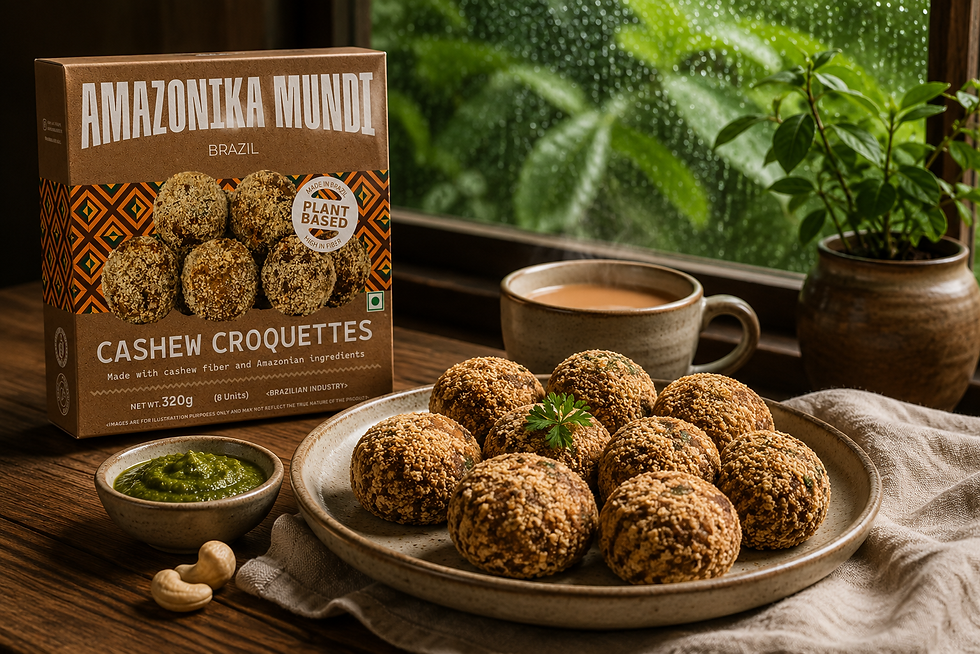
One example is Amazonika Mundi Chick Free Crispy Bites, which combine plant protein with upcycled cashew fruit fiber. Unlike many refined protein isolates, they retain added natural fiber that supports a more balanced nutritional profile. While no single food can prevent bloating, replacing some highly processed protein products with fiber-rich, minimally processed plant foods may help improve digestive comfort and overall diet quality over time.
Myth vs Fact
Myth: Plant protein always causes bloating. Fact: Research suggests digestive discomfort is more often linked to processing, added ingredients, low fiber intake, or individual tolerance- not plant protein itself.
Don't Let Calcium Myths Stop You From Eating More Plants
Another common concern is that reducing dairy means sacrificing calcium.
Current evidence tells a more balanced story.
Calcium is found in a variety of plant foods, including:
Calcium-set tofu
Fortified soy milk
Bok choy
Kale
Broccoli
Tahini (ground sesame seeds)
Chia seeds
Almonds
It's also important to understand bioavailability.
Some vegetables, such as spinach, contain calcium but also high levels of oxalates, which reduce absorption.
Others- including kale, bok choy, broccoli, and calcium-set tofu- provide calcium that is absorbed very efficiently, often at rates comparable to dairy.
The message isn't that dairy is "bad." It's that no single food owns a nutrient. A well-planned plant-based diet can provide sufficient calcium through a variety of foods.
The Academy of Nutrition and Dietetics states that appropriately planned vegetarian and vegan diets are nutritionally adequate for all stages of life.
7 Evidence-Based Ways to Reduce Plant Protein Bloating
Small habits often make a bigger difference than switching brands.
Increase protein intake gradually.
Drink enough water throughout the day.
Spread protein across meals instead of consuming large amounts at once.
Eat more fiber-rich whole foods.[2]
Limit products containing multiple gums and sugar alcohols if you're sensitive.
Include fermented foods like yogurt alternatives, kimchi, or fermented vegetables if they suit your diet.
Stay physically active, as regular movement supports healthy digestion.
Conclusion
Plant protein itself isn't usually responsible for bloating.
More often, digestive discomfort comes from highly refined protein isolates, artificial additives, low fiber intake, or eating patterns rather than the protein source.
The future of plant-based nutrition isn't simply about increasing protein percentages. It's about creating foods that combine quality protein, natural fiber, and minimal processing.
That's why whole foods such as tofu, legumes, and innovative products made with upcycled cashew fruit fiber, like Amazonika Mundi Chick Free Crispy Bites, represent a smarter approach. They deliver protein while preserving more of what makes real food satisfying- for both your body and your gut.
FAQs
1. Why do plant protein powders cause bloating?
Plant protein powders don't inherently cause bloating. Symptoms are more commonly linked to highly refined protein isolates, artificial sweeteners, gums, sugar alcohols, low fiber intake, or consuming large amounts of protein too quickly. Individual digestive tolerance also varies, so choosing minimally processed options may improve comfort.
2. Is pea protein isolate bad for gut health?
No. Pea protein isolate is considered safe and nutritious. However, because it's a refined ingredient with little natural fiber, some people may find it less comfortable than whole-food protein sources. The overall product formulation and your personal gut sensitivity often matter more than the protein itself.
3. What is upcycled cashew fruit fiber?
Upcycled cashew fruit fiber is made from the fiber-rich flesh of the cashew fruit that remains after juice extraction. Instead of becoming agricultural waste, it is transformed into a nutritious ingredient that adds natural dietary fiber, improves food texture, and supports a more sustainable food system.
4. Are Chick Free Crispy Bites a replacement for protein powder?
Not exactly. Chick Free Crispy Bites are a protein-rich whole-food-inspired option, not a dietary supplement. They provide plant protein together with natural ingredients and upcycled cashew fruit fiber, making them suitable as part of balanced meals rather than as a concentrated protein shake.
5. Can I get enough calcium on a plant-based diet?
Yes. Calcium-set tofu, fortified plant milks, kale, bok choy, broccoli, tahini, chia seeds, and other foods can all contribute to daily calcium intake. Choosing a variety of calcium-rich foods is more important than depending on a single source.
6. What's the best way to improve digestion on a high-protein diet?
Focus on whole-food protein sources, consume enough dietary fiber, stay hydrated, increase protein gradually, and avoid relying entirely on protein supplements. A balanced eating pattern generally supports better digestion than simply increasing protein intake.