
Veggie Burger Patty Recipe: Easy Homemade Veg Burger
Updated: Aug 20

A good veggie burger patty should be crisp outside, firm enough to hold together, and full of flavour inside. This easy homemade recipe uses vegetables, simple binders, herbs and spices to create a satisfying patty for burgers. You will also learn what veggie burger patties are made of, how to keep them from falling apart, how to cook them in different ways, and how vegan burger patties differ from vegetarian ones.
If you prefer convenience, we also cover ready-to-cook options, nutrition, protein, fibre, calories, storage and what to check before buying a packaged patty.
What Is a Veggie Burger Patty?
A veggie burger patty is a meat-free patty made with vegetables, legumes, grains, plant proteins, fibres, herbs and spices. Depending on the recipe, it can include ingredients such as potatoes, carrots, peas, beans, chickpeas, lentils, quinoa or other plant-based ingredients.
Unlike meat-style plant-based burgers designed to mimic meat, a traditional vegetable patty can have its own texture and flavour. A well-made patty should be crisp outside, moist inside and firm enough to hold between toasted buns.
The ingredients and cooking method affect its:
Texture and crispiness
Protein and fibre content
Calories and overall nutrition
Moisture and ability to hold together
A veggie burger may be vegetarian or vegan depending on its ingredients. Vegetarian versions can contain dairy or egg, while vegan burgers avoid animal-derived ingredients.
What Is a Veggie Burger Patty Made Of?
Common ingredients include:
Potatoes for structure
Carrots, peas, beans or corn for texture and flavour
Chickpeas or other legumes
Breadcrumbs, oats, flour or chickpea flour as binders
Cumin, coriander and other spices
Fresh herbs
Plant proteins in protein-focused formulations
Fibres that can contribute to texture and structure
There is no single formula for a veggie burger patty. Ingredient choices depend on whether the goal is a homemade vegetable burger, crispy burger, vegan burger or protein-rich plant-based patty.
Veggie Burger Patty Ingredients
For the Homemade Patty
Ingredient | Suggested amount |
Boiled potato, mashed | 2 medium |
Mixed vegetables, cooked and drained | 1 cup |
Breadcrumbs or crushed oats | ½ cup |
Chickpea flour | 2 tbsp |
Cumin powder | 1 tsp |
Coriander powder | 1 tsp |
Garam masala | ½ tsp |
Chilli powder | ½ tsp |
Fresh coriander | 2 tbsp |
Salt | To taste |
For the Burger
4 burger buns
Lettuce
Tomato slices
Onion slices
Cucumber or pickles
Burger sauce or vegan sauce
Cooked veggie patties
Drain the cooked vegetables well before mixing. Excess water is one of the most common reasons homemade patties become soft.
How to Make a Veggie Burger Patty at Home
1. Cook and Drain the Vegetables
Cook potatoes and mixed vegetables until tender. Drain them thoroughly and allow excess moisture to escape.

2. Prepare the Mixture
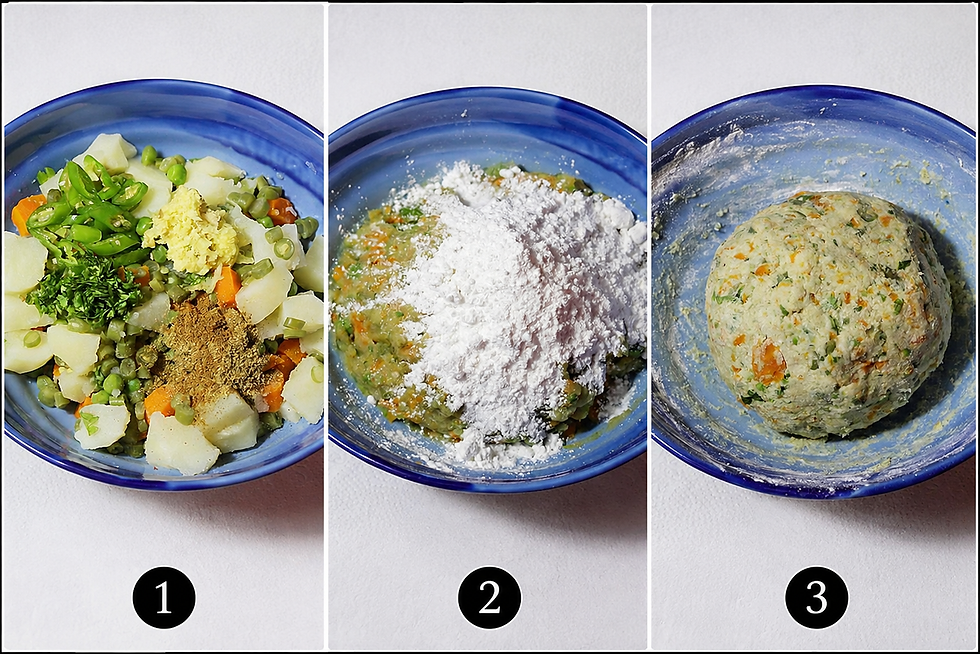
Mash the potato and combine it with the vegetables, breadcrumbs or oats, chickpea flour, herbs and spices.
The mixture should be moist enough to shape but firm enough to hold its form.
3. Shape the Patties
Divide the mixture into four portions. Shape each into a flat, even patty.
Avoid making them too thick because the centre can remain soft while the outside browns.

4. Chill Before Cooking
Refrigerate the shaped patties for around 20–30 minutes. This helps the mixture firm up before cooking.
5. Cook Until Crisp
Cook using a pan, air fryer or oven. Allow the first side to develop a crust before turning the patty.

How to Make Crispy Veggie Burger Patties
For a crisp outside and firm centre:
Drain vegetables thoroughly.
Do not add unnecessary liquid.
Use enough binder to hold the mixture together.
Chill the shaped patties before cooking.
Preheat the pan, air fryer or oven as required.
Avoid overcrowding the cooking surface.
Do not press down on the patties while cooking.
Turn them only after the first side has developed a crust.
A breadcrumb coating can add another layer of crunch.
How to Keep Veggie Patties From Falling Apart
If a veggie burger patty breaks while cooking, check these areas first:
Too much moisture: Drain cooked vegetables before mixing.
Not enough binder: Add a little more breadcrumbs, oats or another suitable binder.
No chilling: Refrigerating the shaped patties can improve handling.
Excessive handling: Turn the patties carefully once the first side has firmed up.
Uneven thickness: Keep the patties uniform so they cook evenly.
How to Cook Veggie Burger Patties
Pan-Frying
Cook over medium heat until both sides are browned and firm. This method gives the patty a traditional crisp exterior.

Air-Frying
Air-frying is a convenient option when you want a crisp surface with less cooking oil. Exact temperature and time depend on the patty formulation.

Baking
Baking works well when preparing several patties together. The result may be less crisp than pan-frying, depending on the recipe.

For a packaged ready-to-cook patty, always follow the manufacturer's cooking instructions.
What Makes a Burger Vegan?
A vegan burger does not contain animal-derived ingredients.
Check the complete burger, not just the patty:
Patty
Burger bun
Mayonnaise or sauce
Cheese
Butter used for toasting
Other toppings
A vegetarian burger can be meat-free while still containing dairy or egg. A vegan burger requires the complete preparation to avoid animal-derived ingredients.
What Is a Vegan Burger Patty Made Of?
Vegan burger patties can use:
Vegetables
Chickpeas and other legumes
Mushrooms
Grains
Pea protein
Soy protein
Seeds
Plant fibres
Herbs and spices
Different formulations serve different purposes. Some focus on vegetables and texture, while others use plant proteins to increase protein density.
Always check the product's ingredient list when looking for a specific dietary formulation.
Vegan Burger Protein: How Much Protein Does It Have?
There is no standard protein amount for a vegan burger. It depends on the patty ingredients, serving size and the rest of the burger.
Veggie patties can be part of a plant-based protein pattern, but their protein content varies considerably by formulation.[1]
For comparison, the nutrition information provided for Amazonika Prime Veggie Burger lists:
Nutrient | Per 100 g | Per 115 g serving |
Energy | 228.35 kcal | 262.60 kcal |
Protein | 13.75 g | 15.81 g |
Dietary fibre | 14.29 g | 16.43 g |
Carbohydrates | 1.25 g | 1.44 g |
Total fat | 15.53 g | 17.86 g |
Saturated fat | 0.20 g | 0.23 g |
Added sugars | 0 g | 0 g |
Trans fat | 0 g | 0 g |
Cholesterol | 0 mg | 0 mg |
Sodium | 256 mg | 294.40 mg |
The product page identifies Amazonika Prime Veggie Burger as a plant-based burger made with nutrient-rich cashew fibre and states that it is crafted without preservatives.
The nutrition panel lists 15.81 g protein and 16.43 g dietary fibre per 115 g serving.
Vegan Burger Nutrition: What Should You Check?
When comparing vegan or veggie burger patties, look beyond calories.
Check:
Protein per serving
Dietary fibre
Calories
Total and saturated fat
Added sugars
Sodium
Serving size
Ingredient list
For a complete burger, also consider the bun, sauces, cheese or vegan alternatives, and toppings.
Are Veggie Burger Patties Healthy?
A veggie burger patty is not automatically healthy simply because it is meat-free or plant-based.
Its nutritional profile depends on:
Ingredients
Protein and fibre content
Cooking method
Serving size
Added fats
Sodium
Sauces and toppings
For packaged patties, use the nutrition panel and ingredient list to make an informed comparison.
Veggie Burger Patty Calories and Nutrition
Calories vary from one recipe or product to another.
For example, Amazonika Prime Veggie Burger provides 262.60 kcal per 115 g serving.
The same serving provides:
15.81 g protein
16.43 g dietary fibre
1.44 g carbohydrates
17.86 g total fat
0 g added sugar
0 mg cholesterol
This is why comparing only calories can give an incomplete picture. Protein, fibre, serving size and the rest of the burger also matter.
Homemade vs Ready-to-Cook Veggie Burger Patties
Factor | Homemade | Ready-to-cook |
Preparation | More steps | Faster |
Ingredient control | High | Depends on product |
Portion consistency | Depends on shaping | More consistent |
Convenience | Lower | Higher |
Customisation | High | Product-dependent |
Best suited for | From-scratch cooking | Quick meals and gatherings |
Homemade patties are useful when you want complete control over ingredients. Ready-to-cook patties can reduce preparation time when convenience matters.
How to Store and Freeze Veggie Burger Patties
For homemade patties:
Cool them before storing.
Keep refrigerated in a suitable airtight container.
Separate patties before freezing to prevent sticking.
Use suitable food-safe packaging for frozen storage.
For commercially packaged frozen or ready-to-cook patties, follow the product's own storage instructions.
For reheating, a pan or air fryer can help retain more crispness than microwaving alone.
How to Build a Veggie or Vegan Burger
Once your patty is cooked:
Toast the burger bun.

Add your preferred sauce.
Add lettuce or another crisp vegetable.

Place the warm patty on top.

Add tomato, onion,lettuce or pickles.

Add another small layer of sauce if needed.

Close with the toasted bun.

For a vegan burger, make sure the bun, sauce and toppings are also suitable for a vegan preparation.
Best Toppings and Sauces for Veggie Burgers
Good toppings add freshness and texture to a cooked patty.

Try:
Lettuce
Tomato
Grilled onion
Pickles
Cucumber
Avocado
Mustard
Vegan mayonnaise
Mint chutney
Spicy sauces
For gatherings, keep toppings and sauces separate so people can build their burgers according to preference.
Veggie Burger Variations
The same basic burger format can be adapted in several ways.
Classic Vegetable Burger
A mixed vegetable patty with potato, peas, carrots, beans and Indian spices.
Vegan Burger
Use a patty, bun, sauce and toppings that contain no animal-derived ingredients.
Plant-Protein Burger
Choose a formulation that includes plant proteins when protein content is an important consideration.
Pair a plant-based patty with avocado, lettuce and fresh vegetables for a creamy texture.
Quinoa can be incorporated into a plant-based patty for a different texture and flavour profile.
Serving Ideas for Veggie Burgers
Veggie burgers work for:
Lunch
Dinner
Family meals
Weekend cooking
Indoor gatherings
Late-monsoon get-togethers
Serve with:
Potato wedges
Baked fries
Fresh salad
Roasted vegetables
Pickles
Chutney
For a quick gathering, ready-to-cook patties can also reduce preparation time.
Frequently Asked Questions
1. What is a veggie burger patty made of?
A veggie burger patty can contain vegetables, legumes, grains, plant proteins, fibres, herbs, spices and binders. The exact ingredients vary by recipe and product.
2. How do you make a vegetarian burger patty?
Cook and drain the vegetables, combine them with a suitable binder and seasonings, shape the mixture into patties, chill briefly and cook until the outside is firm and crisp.
3. How do you keep veggie burger patties from falling apart?
Drain excess moisture, use enough binder, chill the shaped patties before cooking and avoid turning them before the first side has developed a firm crust.
4. How much protein does a vegan burger have?
There is no fixed amount. Protein varies by ingredients and serving size. For example, the provided nutrition panel for Amazonika Prime Veggie Burger lists 15.81 g protein per 115 g serving.
5. Are veggie burger patties healthy?
It depends on the ingredients, nutrition profile, portion size and preparation method. Check protein, fibre, calories, fats, sodium and the ingredient list instead of judging a patty by its name alone.
6. What is the difference between a veggie burger and a vegan burger?
A vegetarian burger is meat-free but may contain dairy or egg. A vegan burger avoids animal-derived ingredients in the patty and the other components used to make the burger.


